Mobility Hubs
We explore next-generation mobility hubs as dynamic platforms where multiple transportation systems converge, integrating public mobility, shared services, logistics, energy infrastructure, and digital ecosystems.
Architecture and design in motion - encoding new scenes of daily life
Spatialconnection(s) employs innovative tools of investigation, speculation, contamination and evolution for architecture and design in motion - encoding new scenes of daily life by the boundary conditions, the adaptability of economic, socio-political and cultural aspects of the city.
Working on complex projects at all scales and sectors, the practice establishes a methodology workflow among data, communication and constraints, archiving its innovative design potential through disciplined process.
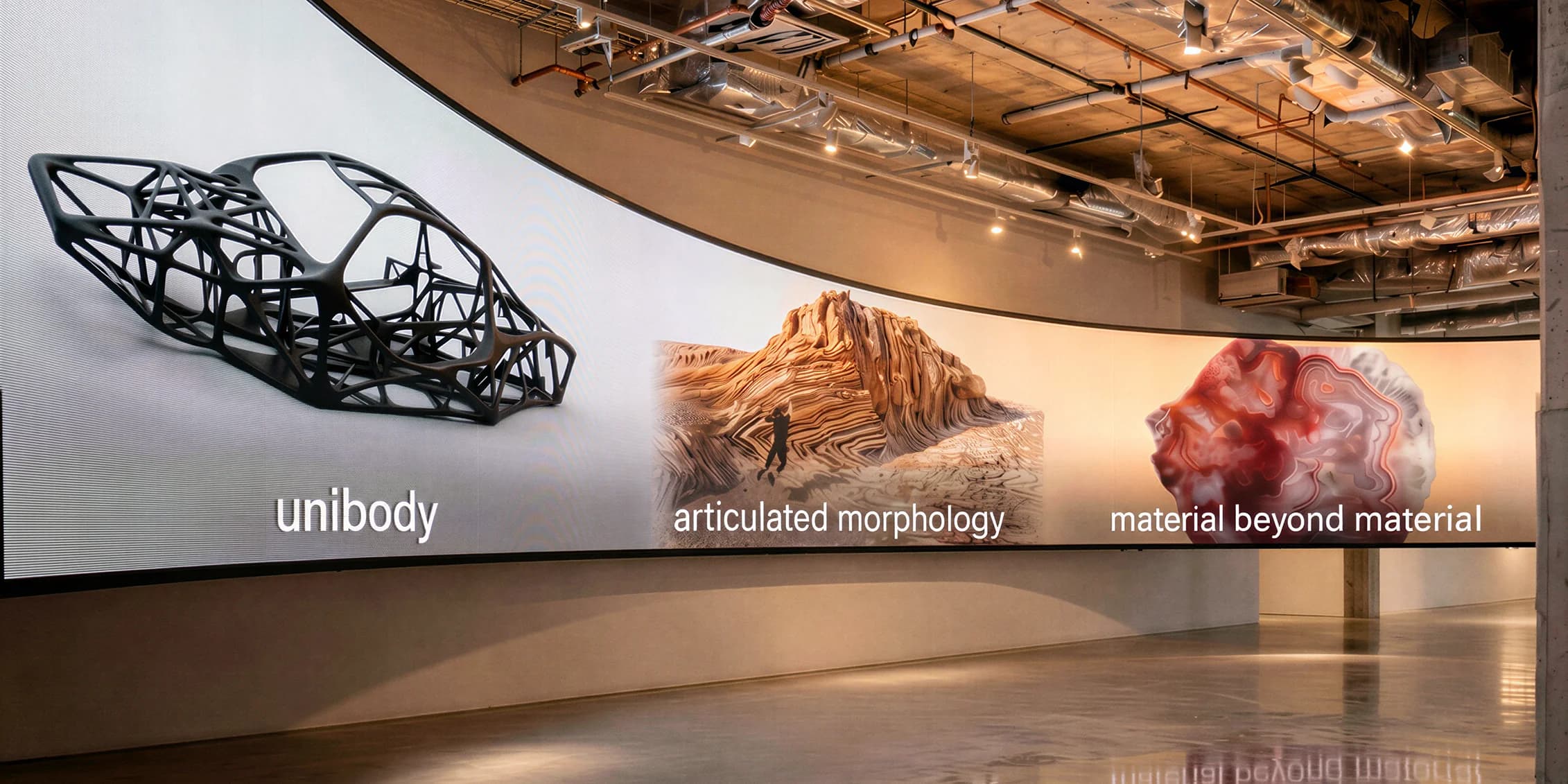
To create successful architectural objects, their spatial and behavioural expression must be designed in a way that fully opens up the possibilities of interaction with their environment - articulating adaptive correlations between object and context, volume and environmental parameters, between the variously differentiated sub-systems within the building or the product.
"By embracing a position of 'Form Follows Flow', We seek to capitalise on the potential of form generated by forces and behaviours - by the dynamic and fluid interaction between Spaces, Structures and Users."
By prioritising natural interaction, movement, and engagement, our design results in environments that are both intuitively navigable and deeply resonant with human experience. Every project begins not with form, but with the forces that will shape it - and that discipline is what separates architecture of consequence from architecture of appearance.
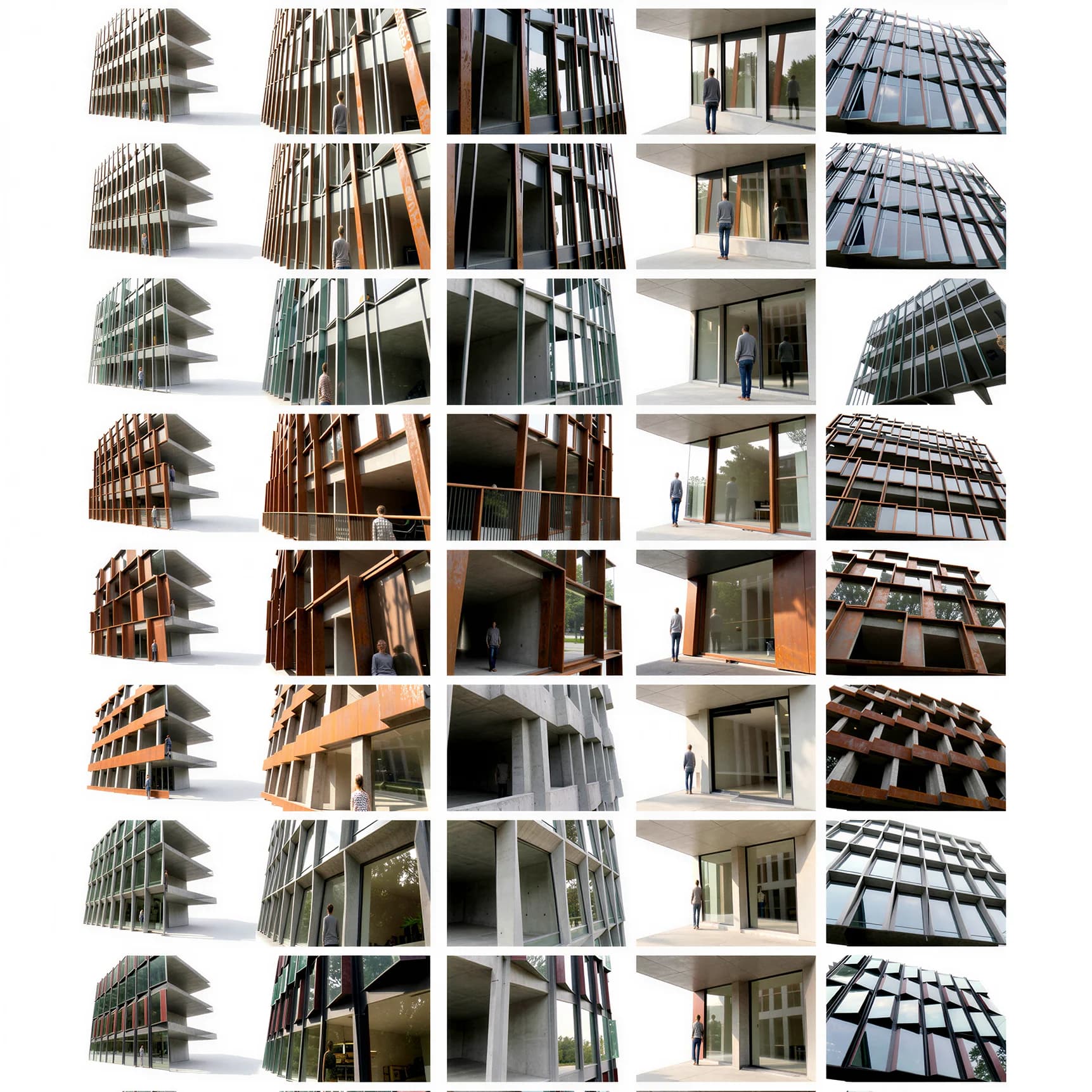
The firm works on a daily basis with the aim of data-driven creativity — through algorithm, generative design, and data as a provider of optimised, custom design intelligence.
Approaching architectural and engineering projects through computation allows us to operate simultaneously across multiple configurations - each one an output of client needs, natural constraints, and design objectives held in productive tension. In any project, we approach with the intention to Explore the Experience - demonstrating how innovation, performance, collaboration, and transformation are engaging the business and design world in one continuous conversation.
Every project begins with a deep investigative phase - reading site, programme, culture, and constraint as a field of forces rather than a fixed brief. Research and speculation precede proposition.
Parametric modelling, generative algorithms, and agent-based simulation are active from the earliest design stage - generating multiple configurations evaluated against performance, spatial quality, and environmental response simultaneously.
Design, structure, environment, and fabrication are developed as an integrated system, not as sequential disciplines. Interoperability across digital platforms ensures design intelligence is preserved from concept through delivery.
From integrated BIM workflows to collaboration with specialist fabricators and material scientists, the practice manages complexity at every scale - producing built results that reflect the full rigour of the investigative process.
Designing the environments of tomorrow - today
Spatialconnection(s) operates at the leading edge of architectural and design innovation - integrating computational intelligence, emerging material science, and advanced fabrication thinking into a practice that anticipates rather than reacts to change.
Innovation here is not a mode applied to projects. It is the condition from which every project begins.
Our digital practice is the technical core of the firm's innovation capacity. Working with parametric modelling, generative design algorithms, and advanced fabrication systems, it produces design configurations that optimise simultaneously for structural performance, environmental response, spatial quality, and construction efficiency.
"The value of computation is not speed. It is the capacity to hold multiple design objectives in productive tension simultaneously - to find, through systematic exploration, solutions that no single-discipline intuition could have reached"
This is the instrument through which the practice's formal ambition becomes buildable reality.
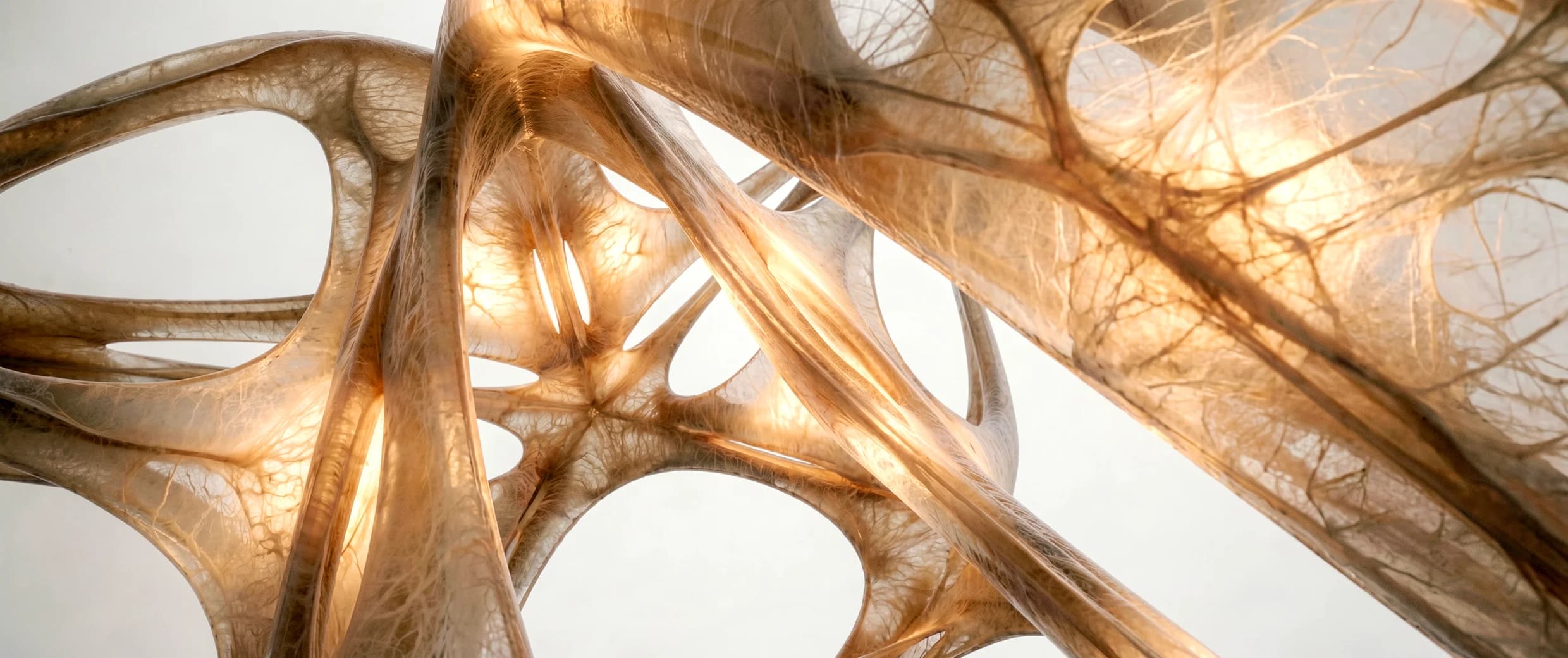
From gradient louvre facades to structural textile systems, from adaptive kinetic surfaces to bio-inspired material composites - Spatialconnection(s) treats material selection as a design intelligence exercise, not a specification process.
Material innovation at Spatialconnection(s) operates at the intersection of performance and sensation. A material must behave with structural precision, respond to environmental conditions, and communicate a sensory character that is legible at the scale of the hand. These are not competing demands. They are the conditions of excellence.
The city in motion - architecture for a world that no longer stands still
The transformation of mobility is reshaping how cities are planned, how buildings are accessed, how public space is negotiated, and how infrastructure is conceived. The practice engages with future mobility as both a research discipline and a live design brief — developing concepts, spatial models, and design intelligence for a world that is moving, simultaneously, in several directions at once.
"Mobility is not a problem of engineering. It is a problem of spatial intelligence - of understanding how the desire to move generates the character of cities, and how architecture can either resist or amplify that desire"
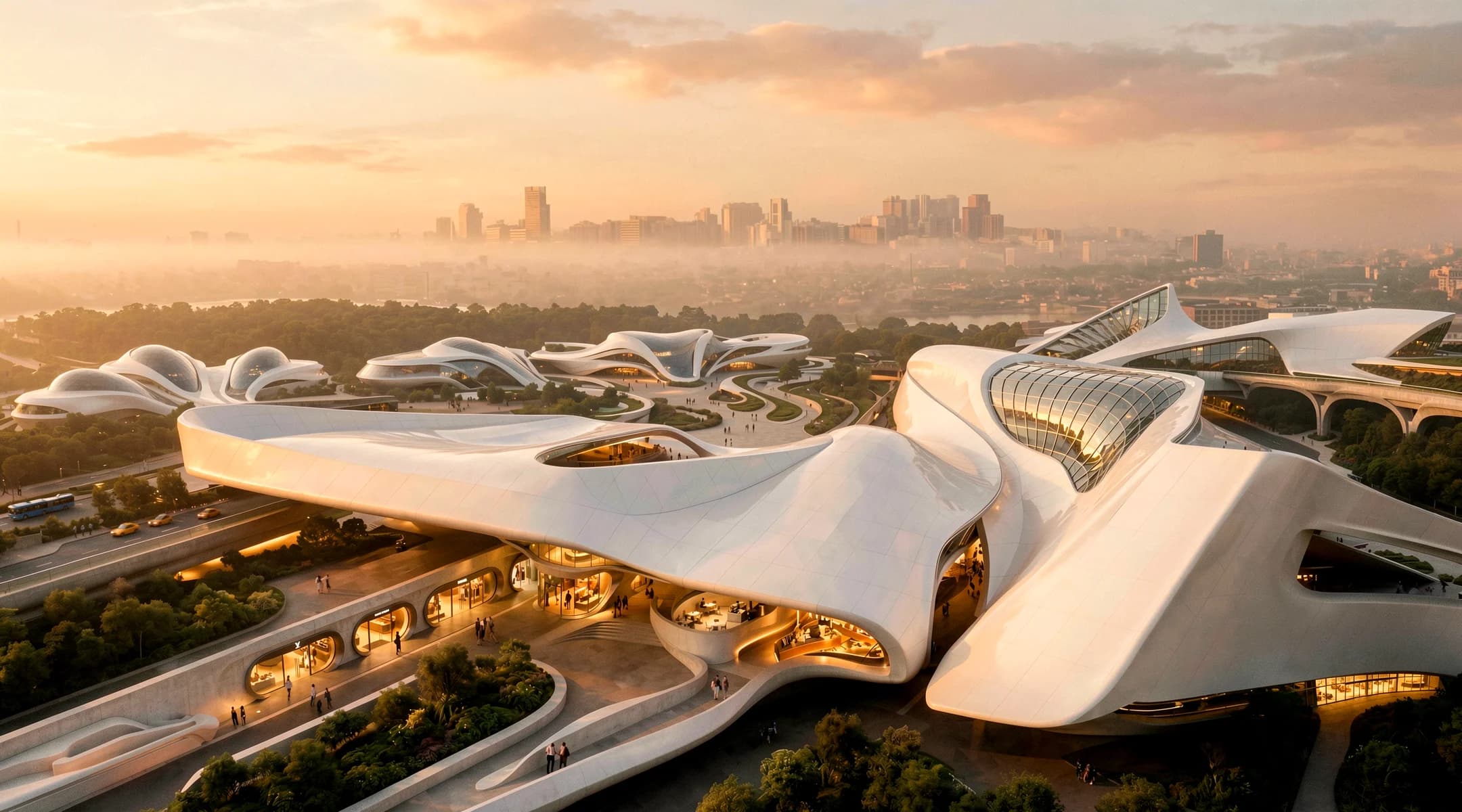
Our work in this domain spans mobility hubs that serve rail, road, cycling, and future air transport within a single architectural proposition; the spatial implications of autonomous vehicle infrastructure on street-level urban life; the redesign of arrival sequences for electrified and shared-vehicle fleets; and the anticipation of vertiport typologies as urban air mobility transitions from concept to operational reality.
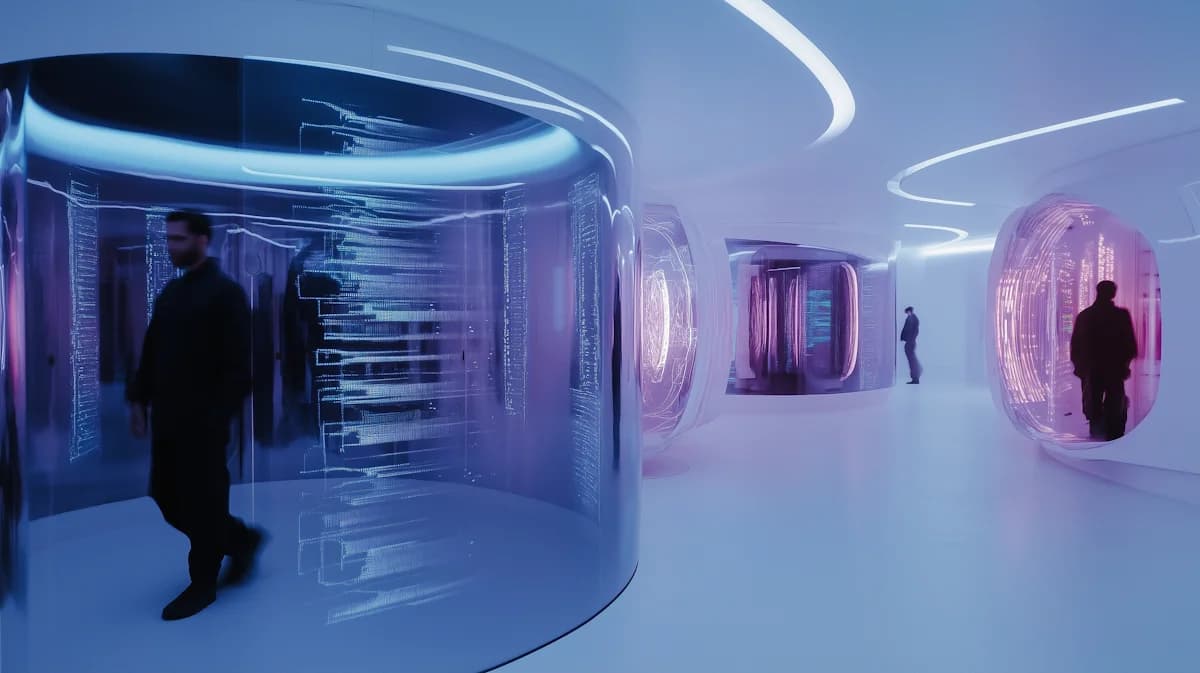
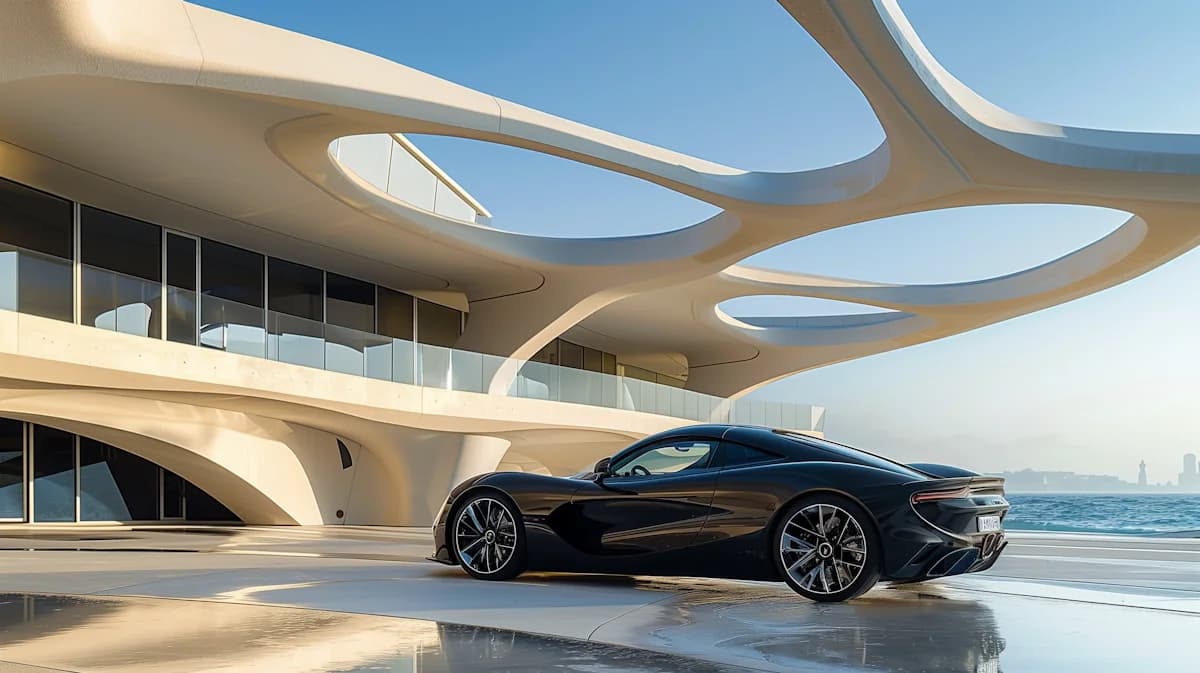
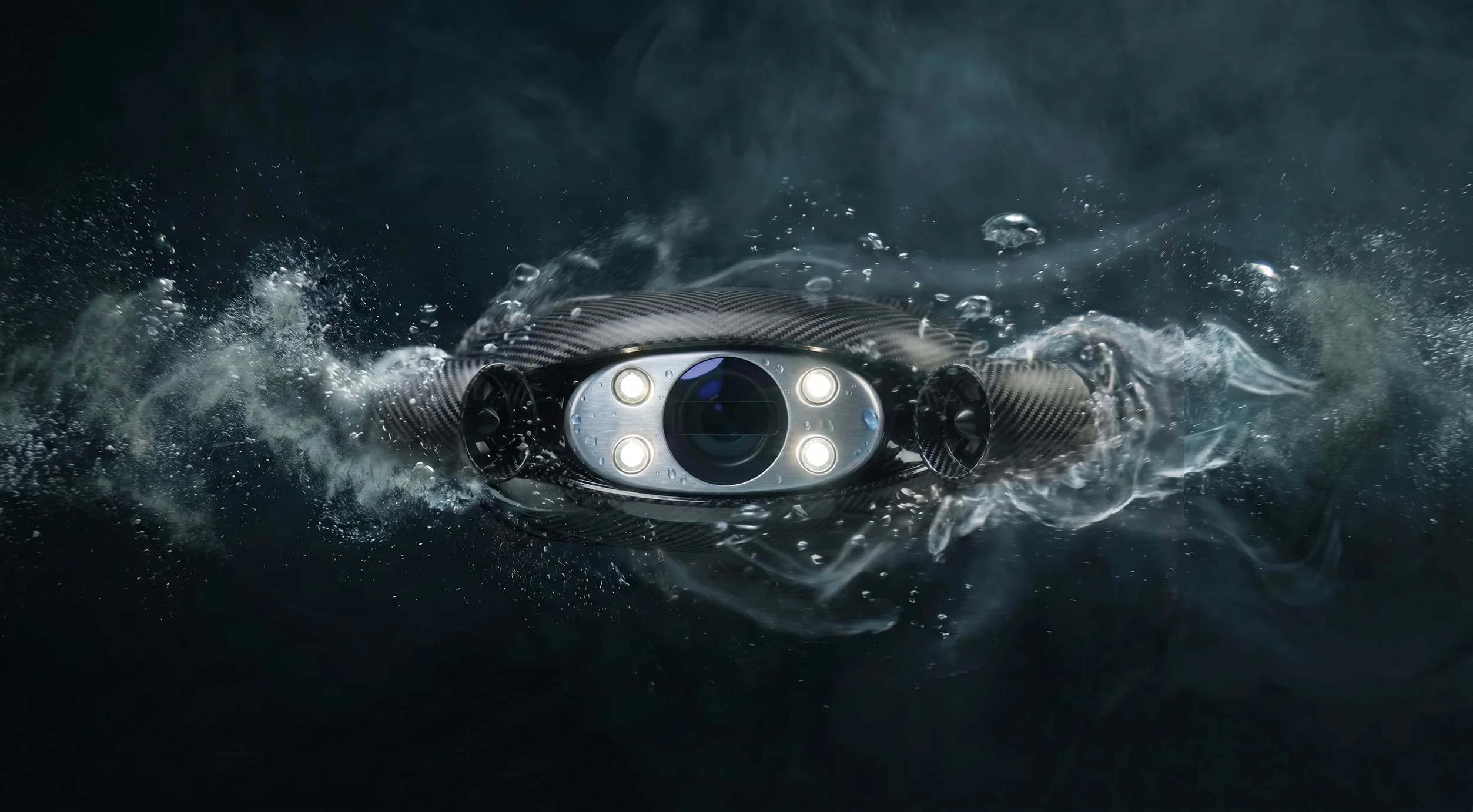
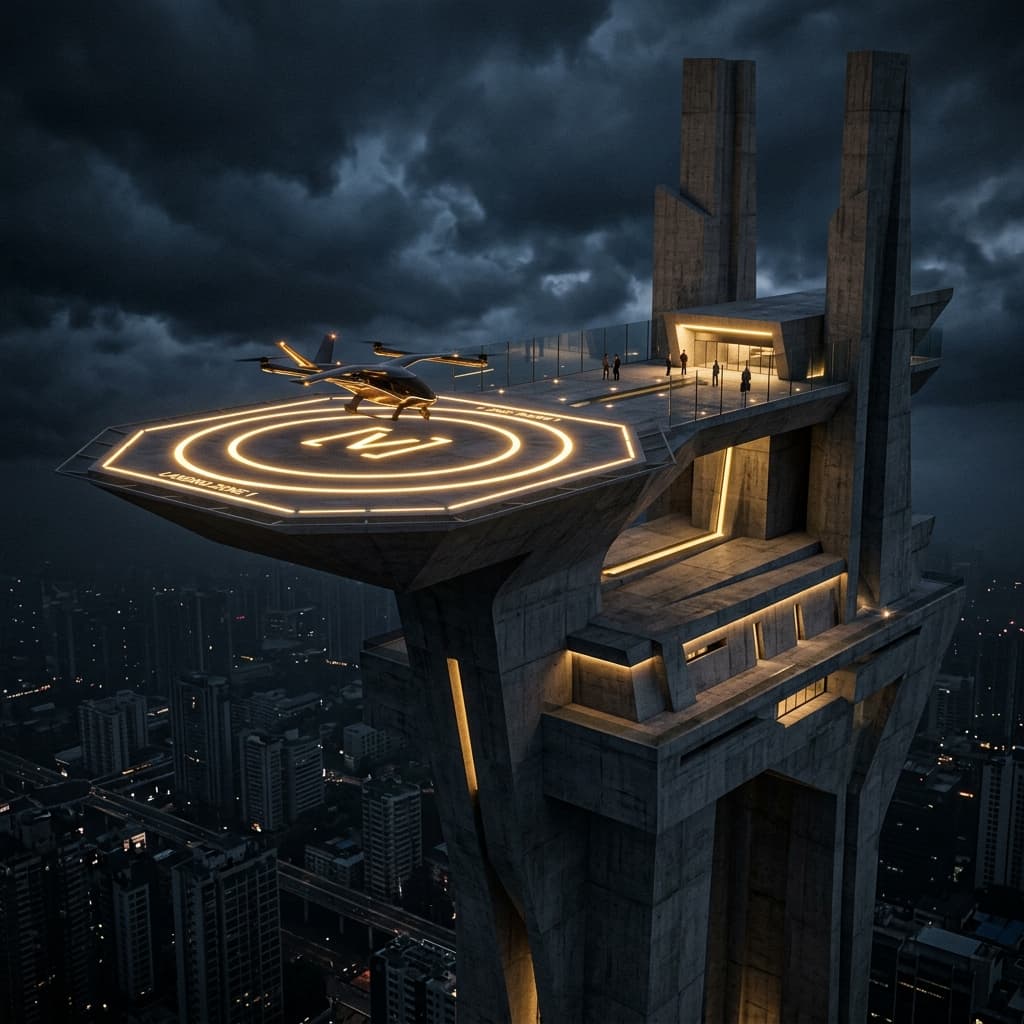
We explore next-generation mobility hubs as dynamic platforms where multiple transportation systems converge, integrating public mobility, shared services, logistics, energy infrastructure, and digital ecosystems.
We investigate the infrastructure required for autonomous mobility, where roads, buildings, and urban systems become active participants in transportation networks through sensing, connectivity, and real-time intelligence.
Our research examines how electric propulsion is transforming vehicle architecture, charging ecosystems, and the integration of mobility devices within future urban environments.
We investigate the emergence of aerial transportation systems and their impact on future cities, exploring the architectural, technological, and social implications of integrating air mobility into urban environments.
Speculation with consequence - research that builds
Spatialconnection(s) engages with applied research as the speculative dimension of its practice - the territory in which design intelligence is pushed beyond the constraints of the current brief, in order to return to it with a sharper and more consequential proposition.
This is not research conducted alongside practice. It is research conducted as practice, with the built environment as both subject and measure.
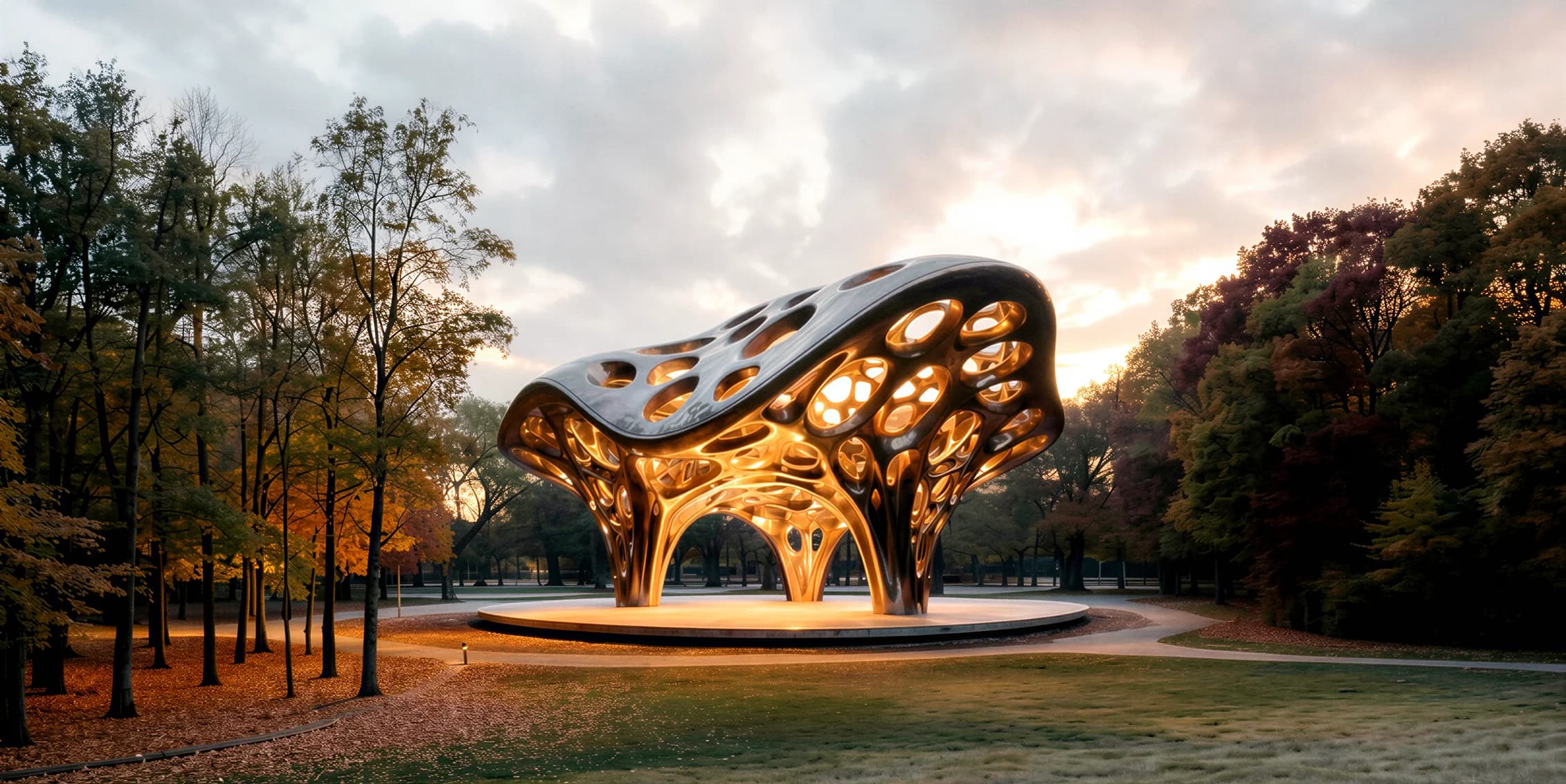
"We speculate in order to build. We build in order to know what to speculate about next. The loop is not circular. It is progressive"
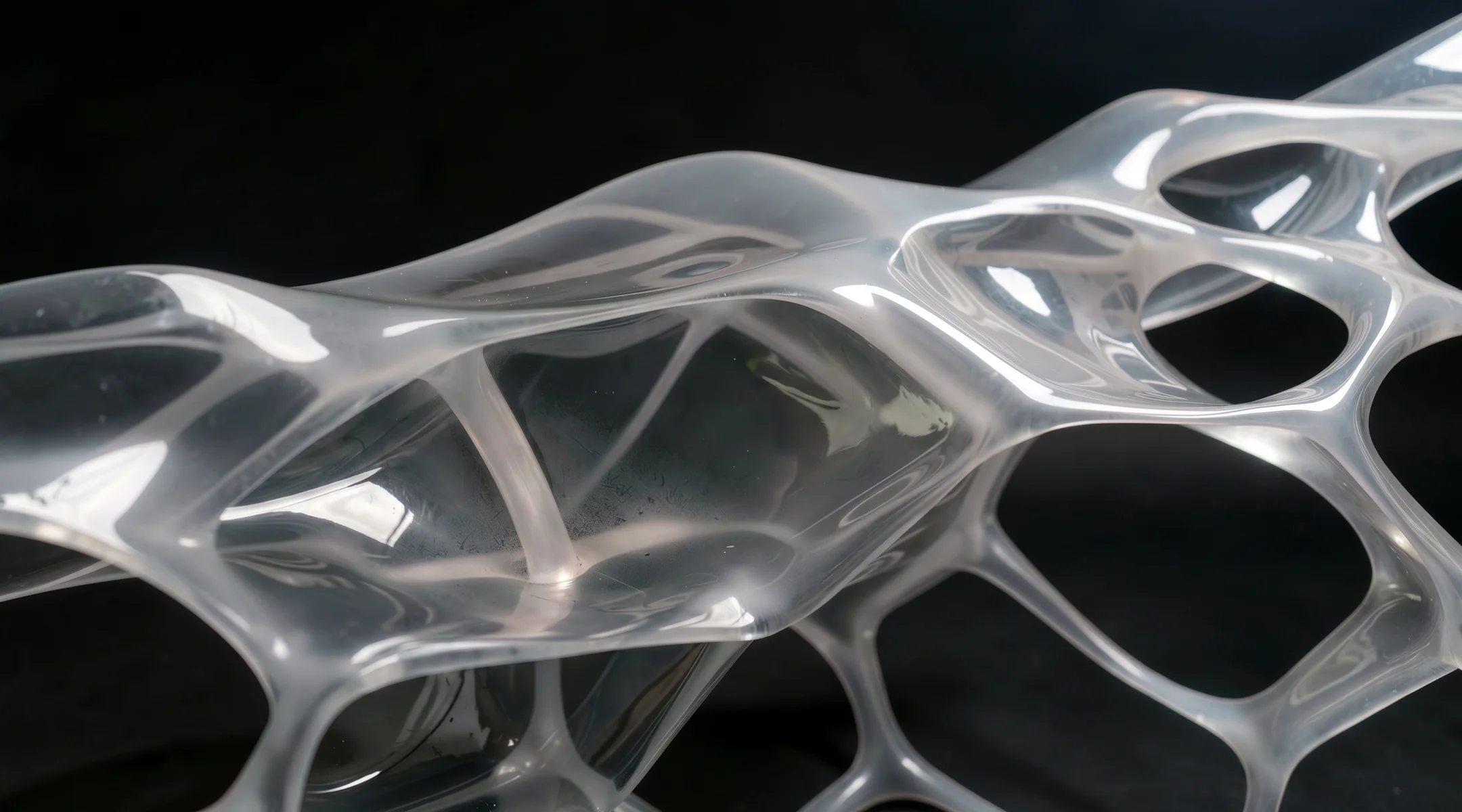
We investigate how algorithms, data, and generative systems can produce adaptive spatial geometries beyond conventional design methods. Through computational workflows, parametric intelligence, optimization, and AI-assisted design, we explore new forms of architectural expression while balancing structural performance, environmental response, and human experience.

Innovation begins with the materials that shape our environments. Our research examines advanced composites, bio-based materials, circular construction systems, smart surfaces, and responsive material technologies capable of redefining sustainability, fabrication, and long-term performance.
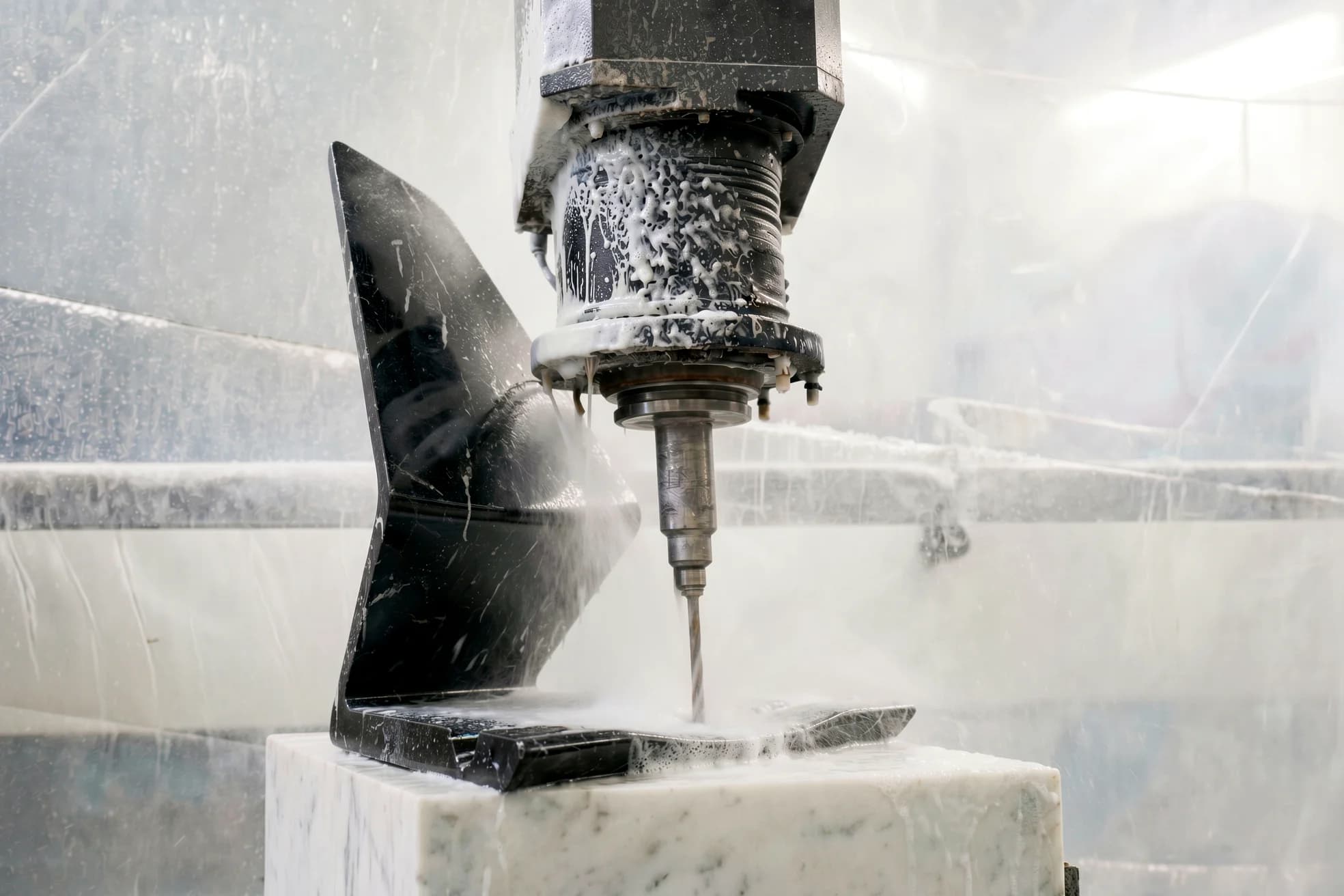
We explore the convergence of computational design and manufacturing technologies to transform how architecture is conceived and constructed. Research focuses on robotic fabrication, CNC machining, additive manufacturing, prefabrication, and automated production systems that bridge digital models with physical realization.
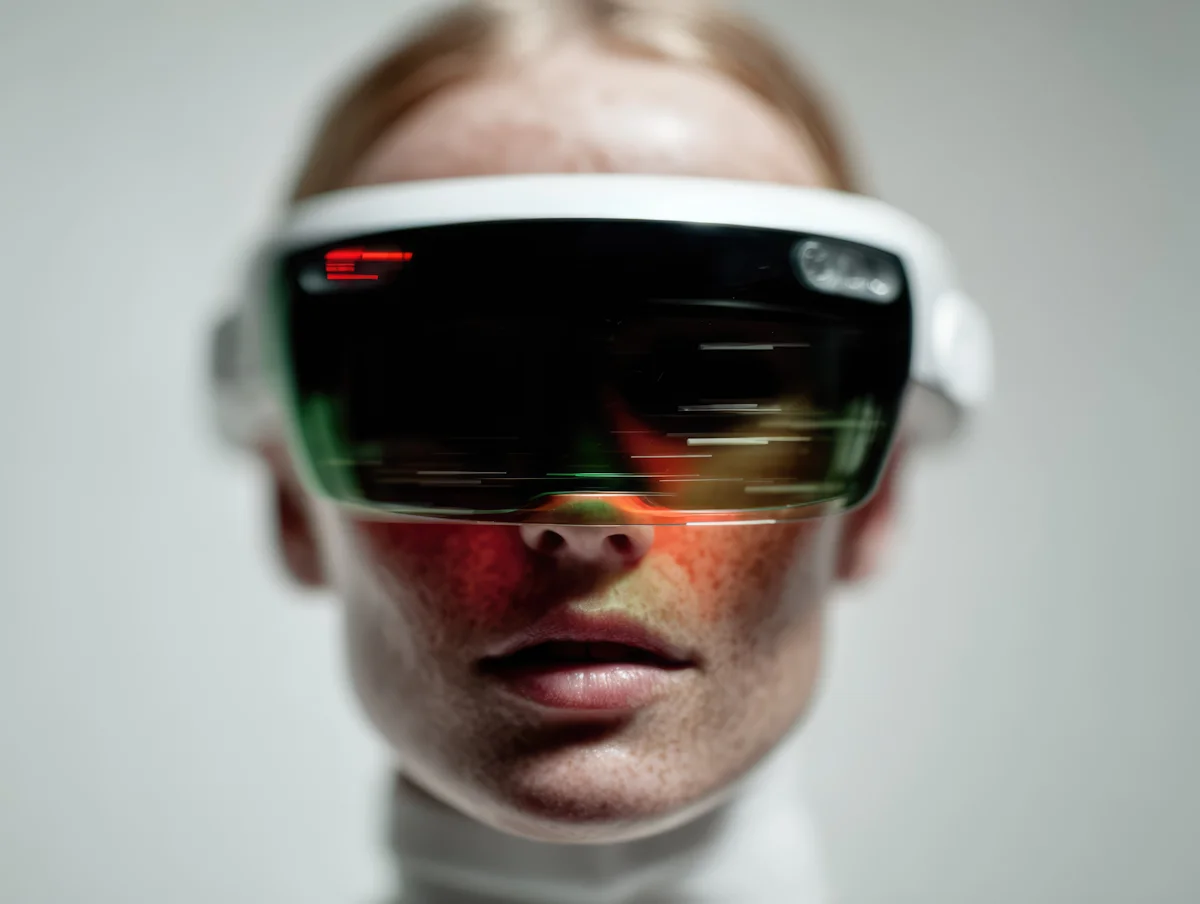
We investigate digital environments where physical and virtual realities converge. Through Digital Twins, XR technologies, AI, IoT, real-time simulation, and spatial computing, we develop intelligent environments capable of monitoring, predicting, and enhancing the performance of buildings, cities, and infrastructure throughout their lifecycle.
Applied research at Spatialconnection(s) is not speculative for its own sake. Every research direction is oriented toward a design application — toward a new spatial proposition that could not have been reached without the investigation that preceded it. The measure of research here is not publication. It is consequence.
These four research directions are not separate disciplines. They are one continuous intelligence, applied from different perspectives to a single question: how can architecture evolve beyond what has already been imagined?